Introduction
introduction:-beyond-lift-or-volume-why-you-may-need-bothFor many patients, eye surgery—whether it’s double eyelid surgery, ptosis correction, or under-eye fat repositioning—is not just a physical transformation. It’s a deeply personal journey. The eyes are often described as the “window to the soul,” and in beauty-conscious cultures like Korea’s, they are the most expressive part of the face.
So it’s no surprise that after surgery, patients are eager to return to their daily beauty rituals—including makeup. At Face Plus Plastic Surgery, one of the most frequently asked questions from our patients is:
“When can I start wearing makeup again after eye surgery?”
It’s a good question—because while makeup helps us look and feel our best, applying it too early can jeopardize your recovery and undermine the very results you sought through surgery.
In this guide, we’ll cover what’s safe, what’s not, and how to navigate the post-surgery period with confidence. Whether you’re a local patient in Seoul or traveling from abroad, understanding the timing, technique, and safety of makeup application after eye surgery is key to long-term satisfaction.
Why Makeup After Eye Surgery Requires Caution
why-makeup-after-eye-surgery-requires-cautionEye surgery—especially around the eyelid area—involves delicate tissue, intricate sutures, and a high concentration of tiny blood vessels and nerves. Even after the incisions close and stitches are removed, the area remains vulnerable to irritation and infection for several weeks.
Let’s break down what’s at risk:
Bacterial Contamination: Old makeup, shared brushes, or non-sterile applicators can harbor bacteria that enter healing incisions. This could lead to infections requiring antibiotics or even revision procedures.
Chemical Irritation: Many cosmetic products contain synthetic pigments, parabens, alcohol, or fragrances—all of which can provoke inflammation in newly treated skin.
Delayed Healing: Applying and removing makeup involves rubbing or tugging, which can pull on healing skin and compromise suture integrity.
Scarring & Pigmentation: Early exposure to certain ingredients or UV light may cause hyperpigmentation or widened scars, especially in Asian skin types prone to post-inflammatory hyperpigmentation (PIH).
This is why at Face Plus Plastic Surgery, we emphasize protecting your investment. A well-performed eyelid surgery can dramatically enhance your appearance—but only if healing is respected.
The General Timeline: When Makeup Is Safe
the-general-timeline:-when-makeup-is-safe
While every patient heals at a slightly different pace depending on factors like age, genetics, and overall health, here is a typical makeup-safe timeline following eye procedures such as blepharoplasty or eyelid fat repositioning:
First 1–2 Weeks: Absolutely No Makeup
first-1-2-weeks:-absolutely-no-makeupThis is the acute healing phase.
What’s happening: Incisions are closing, swelling is peaking, and bruising may still be present.
Why no makeup: Introducing any foreign substance at this stage increases the risk of complications, including wound dehiscence or infection.
What to do instead: Focus on post-operative care, prescribed ointments, and keeping the area clean and moisturized. Cool compresses may help reduce swelling.
“In our Gangnam clinic, we advise patients to treat this phase like a wound-healing process—not a beauty routine.”
After 2 Weeks: Light, Cautious Use (If Cleared by Your Surgeon)
after-2-weeks:-light-cautious-use-(if-cleared-by-your-surgeon)Possible to apply: Light concealer or BB cream around the undereye or cheek area, avoiding direct application on incision lines.
Avoid still: Eyeliner, mascara, eyeshadow, or anything that requires pulling or precision near the lash line.
Must use: Only hypoallergenic, fragrance-free, and dermatologist-tested makeup. Brands formulated for post-surgical or sensitive skin (e.g., Avene, La Roche-Posay) are good options.
Some patients find tinted sunscreen or cushion compacts helpful for mild coverage while also offering UV protection, which is essential during recovery.
3–4 Weeks: Introducing Eye Makeup (With Care)
3-4-weeks:-introducing-eye-makeup-(with-care)What may be allowed: Light eyeliner (pencil or gel), cream eyeshadows, and tubing mascaras (which are easier to remove without rubbing).
Pro tip: Avoid powder-based shadows at first—they can flake and irritate the eyes or healing areas.
Clean application tools: This cannot be overstated. Always use fresh, sanitized brushes and never share cosmetics.
Dr. Park also advises patients to begin with patch testing new products on the arm or cheek before applying them near the eyes.
6 Weeks and Beyond: More Freedom
6-weeks-and-beyond:-more-freedomAt this stage, most patients have completed the bulk of their healing. Incisions have matured, swelling has resolved, and sutures (if non-absorbable) have been long removed.
You may return to your normal makeup routine—with continued caution when removing products.
Still avoid: False lashes, lash glue, and waterproof mascara that requires forceful scrubbing.
What’s Safe: Recommended Makeup & Practices
what's-safe:-recommended-makeup-and-practicesWhen you do resume makeup, here’s what we recommend to protect your results and avoid setbacks:
New Products Only
new-products-onlyThrow away any old mascara, eyeliner, or cream pots used prior to surgery. Even if they appear clean, they may harbor bacteria.
Hypoallergenic & Non-Comedogenic Products
hypoallergenic-and-non-comedogenic-productsLook for makeup labeled as:
Fragrance-free
Ophthalmologist-tested
Safe for sensitive skin
In Korea, there are specialized post-surgical skincare lines available at clinics or pharmacies. Feel free to ask our staff for trusted brand recommendations.
Cream Shadows Instead of Powders
cream-shadows-instead-of-powdersCreams are less likely to produce fallout that can settle into healing incisions or the tear duct area.
Oil-Based, Non-Rubbing Makeup Removers
oil-based-non-rubbing-makeup-removersAvoid wipes and alcohol-based removers. Instead, use:
Micellar water
Gel-based or oil cleansers designed for sensitive skin
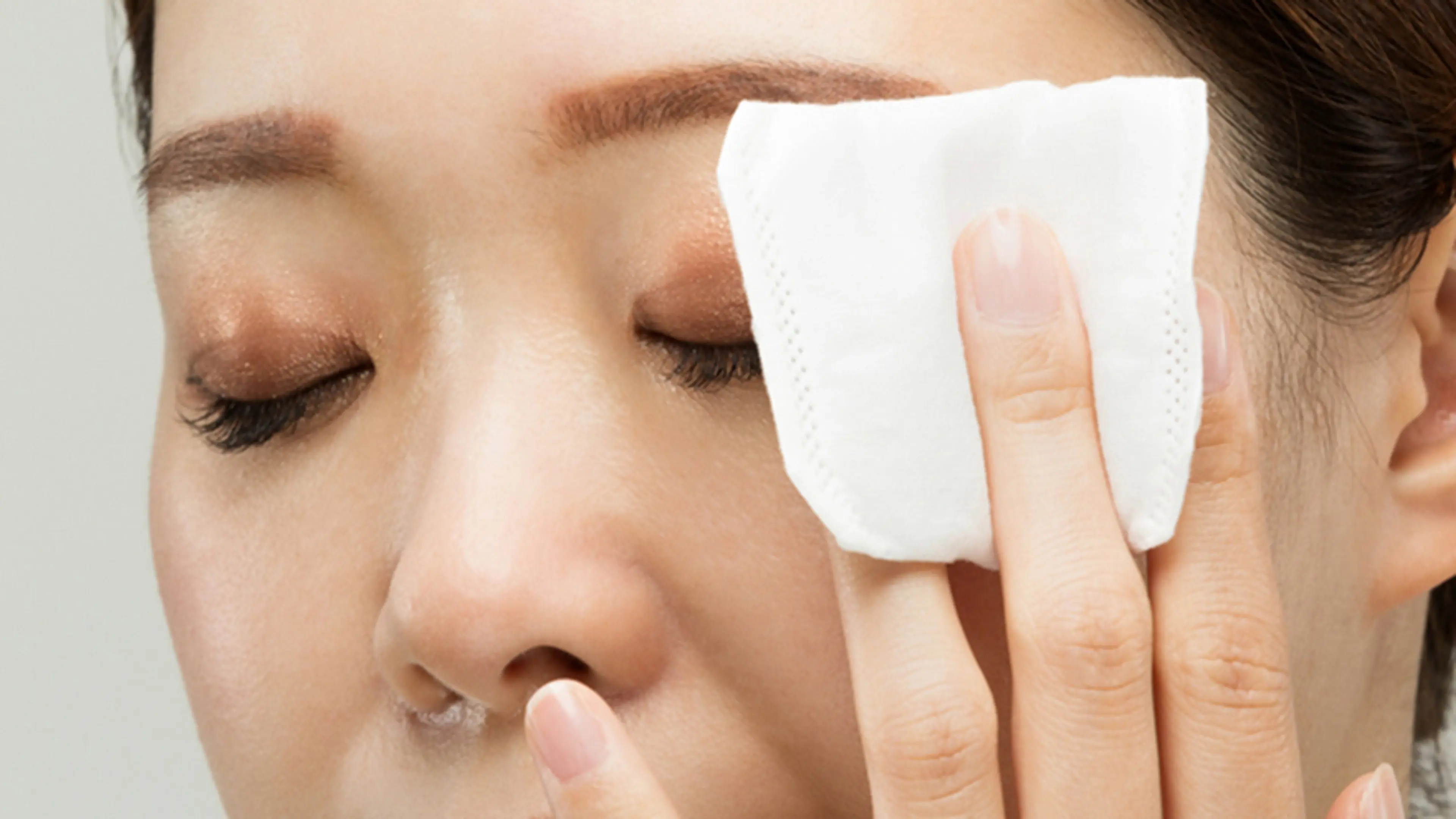
Soft cotton or reusable pads—gently pressed, not rubbed
What’s Not Safe: Practices to Avoid
what's-not-safe:-practices-to-avoid
To keep your recovery on track and reduce the risk of complications, avoid the following until your surgeon gives the all-clear:
Waterproof or Long-Wear Mascara
waterproof-or-long-wear-mascaraThese require rubbing or oil-based removers that can irritate healing skin. Tubing mascaras, which come off with warm water, are a gentler alternative once permitted.
Glitter, Shimmer, or Metallic Eye Products
glitter-shimmer-or-metallic-eye-productsThese products contain microparticles that can enter incisions or migrate into tear ducts, causing irritation or granulomas.
Tightlining or Inner Rim Eyeliner
tightlining-or-inner-rim-eyelinerApplying eyeliner to the waterline increases your risk of introducing bacteria directly into the tear film or incision line.
False Eyelashes or Lash Extensions
false-eyelashes-or-lash-extensionsAdhesives used for lashes can contain formaldehyde, which is extremely irritating to healing eyelid skin. The weight of extensions can also pull on delicate tissue.
Heavy Concealer or Foundation Over Fresh Incisions
heavy-concealer-or-foundation-over-fresh-incisionsThese can clog pores and prevent the skin from properly “breathing,” slowing down the recovery process.
Beyond Makeup: Alternatives During Recovery
beyond-makeup:-alternatives-during-recoveryLooking presentable without makeup is entirely possible—and even encouraged—during the recovery phase. Patients often underestimate how much difference a few strategic choices can make:
Stylish Sunglasses
stylish-sunglassesNot only do they hide swelling and bruising in the early weeks, but they also protect healing skin from harmful UV rays that could worsen scarring or pigmentation.
Tinted Sunscreens or BB Creams
tinted-sunscreens-or-bb-creamsProvides light coverage and skin protection, especially important during outdoor activities.
Hydrating Eye Cream (Surgeon-Approved)
hydrating-eye-cream-(surgeon-approved)Gentle eye creams can support the healing barrier and reduce dryness. However, avoid products with retinoids or exfoliating acids until full healing is confirmed.
Face Plus Plastic Surgery’s Approach
face-plus-plastic-surgery's-approachAt Face Plus, we understand that cosmetic surgery is not just about aesthetics—it’s about confidence, self-expression, and personal transformation. That’s why we take postoperative care as seriously as the surgery itself.
Under the guidance of Dr. Jung Keun Park, a board-certified plastic surgeon with a Ph.D. from Seoul National University and over 21 years of surgical experience, every patient receives a customized recovery plan—including when and how to safely return to makeup.
Our approach combines artistic precision with clinical safety. We don’t just enhance features; we protect the healing journey so that your final result is as natural and beautiful as possible.
Final Thoughts: Patience Leads to the Best Results
final-thoughts:-patience-leads-to-the-best-resultsIt’s natural to miss your makeup routine after surgery—especially in a culture like Korea’s, where clear skin, defined eyes, and radiant appearance are part of daily life. But as we often tell our patients:
“Great results take time, and rushing the process could undo the artistry of your surgery.”
If you’re ever unsure about a product or application technique, don’t guess—ask your surgeon. At Face Plus Plastic Surgery, we encourage open communication throughout the recovery process.
Your beauty isn’t just in how you look—it’s in the choices you make to care for yourself. And sometimes, the most beautiful choice is letting your eyes rest, heal, and eventually, shine.